
Ecological baseline survey for solar parks
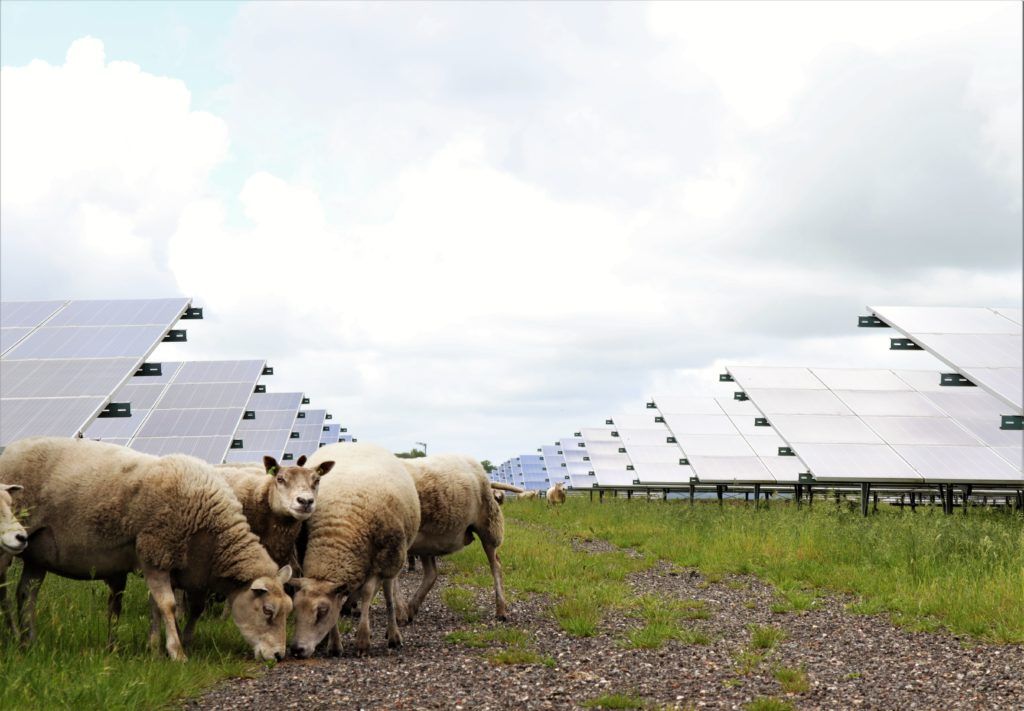
To preserve and encourage biodiversity in and around our solar parks as much as possible, we always aim to integrate our solar parks into the surrounding landscape in the most natural way possible. An important part of this landscape integration is the ecological baseline survey. This involves ecologists assessing biodiversity both above and below ground at the proposed location of a solar park.
What is an ecological baseline survey?
An ecological baseline survey maps the existing landscape, including its vegetation, birds and insects, so that these can be taken into account when planning the solar park.
For example, during a baseline survey at the proposed location of Roodehaan solar park, ecologists observed common buzzards. The area also appears suitable for other farmland bird species, such as the meadow pipit and yellow wagtail.
Biodiversity at our solar parks is important to us, which is why we pay close attention to it.

A baseline survey for every solar park
Conducting a baseline survey at every solar park is important because animal and plant species vary from one location to another.
For example, at the proposed solar park site near Wageningen, ecologists identified several frog species living in the surrounding waterways.
Thanks to this survey, the presence of these species can be taken into account when planning the solar park, helping ensure they can continue to thrive in their natural habitat.
Ecological research
To further improve how we integrate our solar parks into the surrounding landscape, we launched a large-scale ecological research project.
Ecologists from the University of Groningen are conducting research into biodiversity and soil quality at solar parks in the province of Groningen, the Netherlands. Researchers will monitor soil, vegetation, insects, mammals and birds at fifteen solar parks.